New Service Added! Shockwave Therapy!
Shockwave Therapy: What It Is, How It Works, and What to Expect
The Powerhouse Chiropractic is pleased to offer shockwave therapy as an adjunctive treatment option within chiropractic care. Shockwave therapy is now available for booking beginning this February.
What Is Shockwave Therapy?
Shockwave therapy—also known as Extracorporeal Shockwave Therapy (ESWT)—is a non-invasive treatment modality that uses acoustic sound waves applied to injured or painful tissues. It is commonly used in the management of musculoskeletal conditions, particularly those involving chronic tendon, muscle, or soft-tissue dysfunction.
Shockwave therapy is thought to support the body’s natural healing processes by mechanically stimulating tissue. It is often considered when symptoms have not responded fully to other conservative care approaches.
How Does Shockwave Therapy Work?
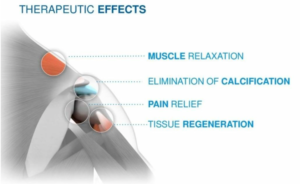
Current evidence suggests that shockwave therapy may contribute to symptom improvement through several physiological mechanisms, including:
- Mechanical stimulation of tissue, which may promote local circulation
- Stimulation of cellular activity involved in tissue repair
- Neurological effects, which may temporarily reduce pain sensitivity
- Reduction of tissue stiffness, potentially improving mobility
- Disruption of calcified or fibrotic tissue, when clinically appropriate
It is important to note that individual responses vary, and shockwave therapy does not guarantee specific outcomes.
What Does a Treatment Session Look Like?
Before Treatment
Your chiropractor will perform a thorough assessment, including history and physical examination, to determine whether shockwave therapy is appropriate for your condition.
During Treatment
- A conductive gel is applied to the skin
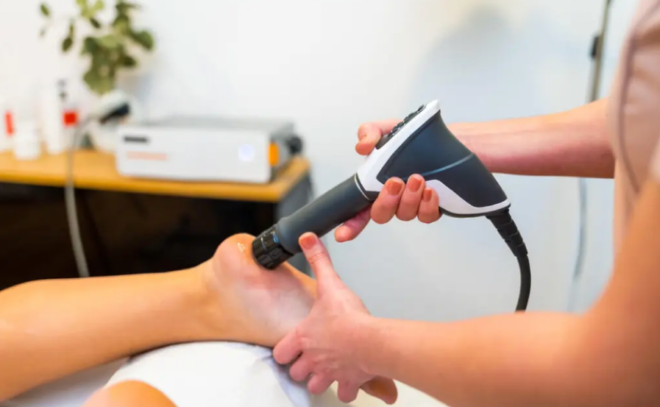
- A handheld applicator delivers acoustic pulses to the targeted area
- Treatment parameters are adjusted based on tissue response and patient feedback
- Sessions typically last 10–20 minutes
Care is delivered in a patient-centred manner, with ongoing communication to ensure comfort and clinical appropriateness.
Does Shockwave Therapy Hurt?
Shockwave therapy is generally well tolerated. In order to achieve best therapeutic benefits, most people experience mild to moderate discomfort during treatment, which usually resolves immediately afterward. Sensation levels vary depending on the area treated and individual sensitivity.
Typical Treatment Course
- Most care plans involve 3–5 sessions, commonly spaced about one week apart
- Treatment frequency and intensity are individualized based on clinical findings
- Shockwave therapy is often used alongside other chiropractic or rehabilitative interventions
After Treatment
- No formal downtime is typically required
- Temporary soreness or tenderness may occur
- Your chiropractor may provide guidance regarding activity modification following treatment
- In some cases, avoiding anti-inflammatory medications or icing immediately after treatment may be discussed, based on clinical judgment
Conditions Commonly Managed With Shockwave Therapy
Current evidence suggests shockwave therapy may be beneficial in the management of certain musculoskeletal conditions, including:
-
- Tendinopathies (Ex: Achilles, Patellar, Tennis Elbow, Golfers Elbow, Rotator Cuff)
- Plantar Fasciitis
- Muscle Strains
- Joint Sprains
- Lower Back Pain
- Bursitis
- Sports Injuries
- Shoulder related pain syndromes
- Myofascial Pain Syndrome (Muscle Pain)
- Osteoarthritis
- Shin Splints
- Hip Pain (GTPS)
- Coccydynia (Tailbone Pain)
- Nerve Entrapments (Ex: Carpal Tunnel Syndrome and many more)
- Avascular Necrosis
- Stress Fractures
- Delayed Fracture Healing
- Non-Union Fractures
- Muscle Spasticity (seen in conditions such as cerebral palsy or post stroke)
Some applications—such as bone healing or neurological conditions—require careful clinical consideration and may not be appropriate for all patients. Suitability is determined on a case-by-case basis.
Is Shockwave Therapy Right for You?
Shockwave therapy is not appropriate for everyone. A chiropractic assessment is required to determine whether this modality is clinically indicated and safe for your individual situation.
If you have questions about whether shockwave therapy may be appropriate for your condition, speak with your chiropractor during your visit.
Shockwave Therapy Is Now Available